
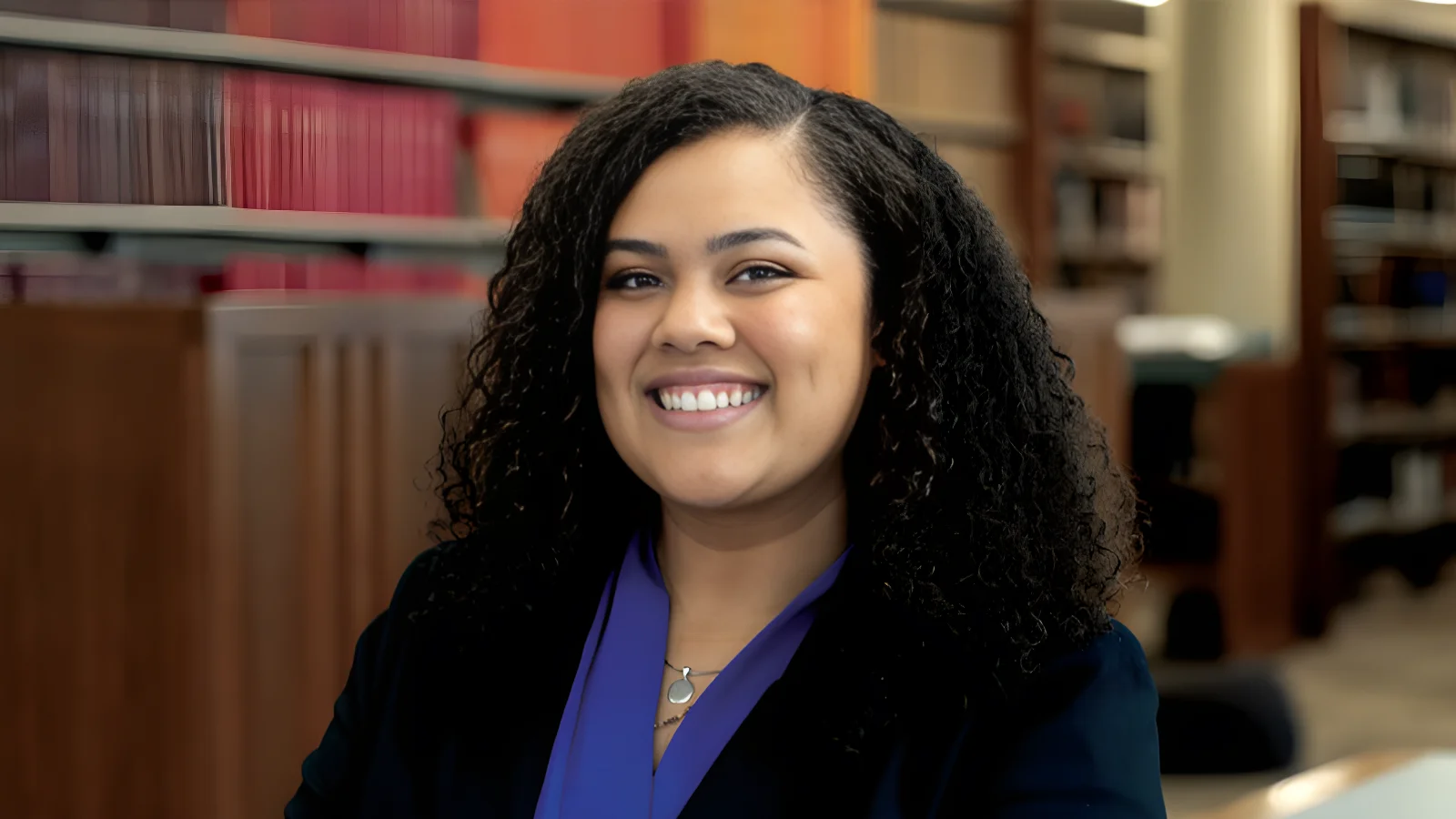
Kennedy Wright, a law student at Mercer University, decided to pursue civil rights advocacy after the murder of George Floyd in 2020. "That moment awakened something in me. I couldn’t stand by and do nothing in the face of such blatant injustice," said Wright. "I wanted to be a voice for those who often feel unheard and to challenge the systems that perpetuate inequality."
Wright’s commitment to social justice began during her undergraduate studies at Presbyterian College, where she was a finalist for the Harry S. Truman Scholarship and contributed to drafting the college’s first anti-racism policy. She also served as student body president and led the Multicultural Student Union.
After graduation, Wright worked with AmeriCorps at a day shelter for unhoused young adults. Reflecting on that experience, she said, "That year taught me that as a lawyer, compassion and empathy must guide every interaction. I realized the only thing separating any of us from homelessness could be one lost job or one missed paycheck."
Currently, Wright works with the Georgia Legal Services Program, assisting low-income clients facing housing instability and legal issues. "When someone is in crisis, they’re in survival mode. You have to address the immediate need before you can help build long-term solutions," she said.
Asked about being a civil rights advocate today, Wright responded: "Being an advocate is having the courage to stand up for what is right, even when it is uncomfortable or unpopular. It’s about holding systems and institutions accountable, especially when they fail the communities they claim to serve."
At Mercer University School of Law, Wright serves as vice president of the Black Law Students Association and as a Barbri representative. She is involved in projects such as the Civics Field Placement program and an independent study on police practices.
Wright credits her support network—including friends, faculty members like Associate Dean Pam Wilkins, family, and her partner Joshua—for helping her succeed in law school. “I found a tight-knit group of friends who formed a study group where we held each other accountable and made sure no one was left behind,” she said.
Looking ahead, Wright plans to practice civil rights law in Georgia or South Carolina: “This region holds deep personal meaning for me. I’ve lived, served and studied here, and I’ve seen firsthand the unique challenges Black and underserved communities face.”
She aims not only to represent victims of police violence but also to push for greater transparency in law enforcement practices and address systemic racism within the criminal justice system.
“I didn’t come to law school just to earn a degree; I came to make a difference,” Wright said. “Mercer’s commitment to ethics, service and practical training align with the kind of lawyer I want to be: one who serves people.”
Her advice for others pursuing justice is clear: “Don’t shrink yourself. Your lived experiences, your voice matters. The world doesn’t just need more professionals. It needs more people who lead with heart, with integrity, and with the courage to challenge injustice head-on.
“Be bold. Be relentless. And remember — every step you take toward justice, no matter how small, is part of a legacy far bigger than you.”