
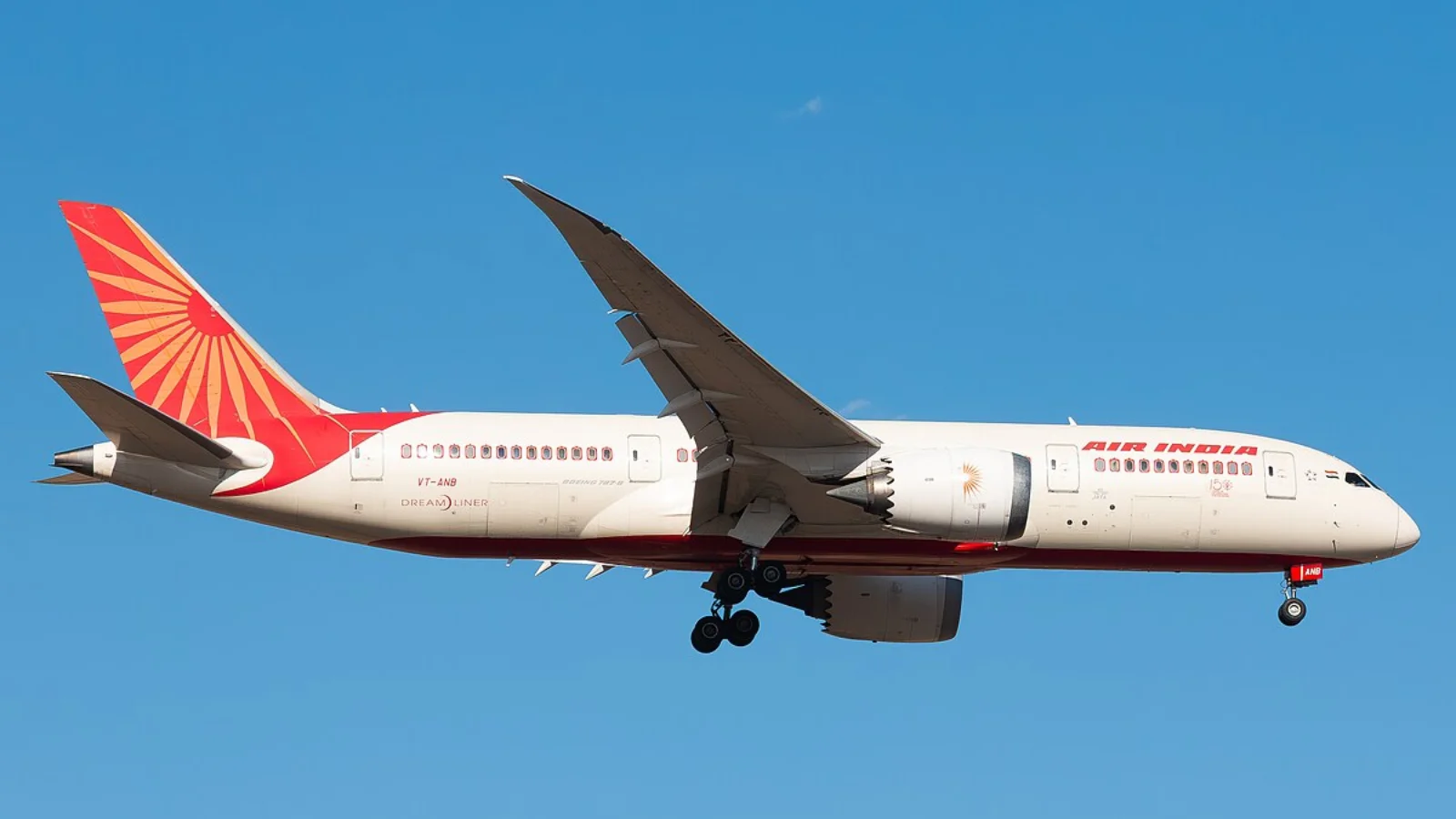
The crash of Air India Flight 171 near Ahmedabad has prompted renewed scrutiny of aviation safety and accountability. The incident, involving a Boeing 787 Dreamliner, resulted in significant loss of life and has drawn comparisons to previous aviation disasters that led to industry reforms.
Historical accidents such as the Tenerife airport disaster in 1977, Air France Flight 447 in 2009, and the Boeing 737 MAX crashes in 2018 and 2019 have often been initially attributed to pilot error. Subsequent investigations revealed deeper issues including miscommunication, automation flaws, regulatory lapses, and corporate negligence. These events led to changes in cockpit resource management, pilot training standards, and oversight of aircraft design.
Preliminary findings from the Flight 171 investigation suggest potential electrical faults possibly linked to water intrusion—a known issue with some Dreamliner systems. However, conclusive evidence is still pending.
An attorney representing more than 125 families affected by the crash emphasized the importance of uncovering the truth behind such tragedies. “These families are not just seeking compensation—they are demanding answers, accountability, and change,” he stated. He noted his experience representing victims of other major aviation incidents and stressed that legal action combined with public attention is often necessary to expose underlying causes.
The Supreme Court of India has called for a comprehensive investigation into the crash. The court stated: “Nobody can blame the pilot without a thorough investigation.” This approach challenges longstanding tendencies to attribute crashes primarily to human error without examining systemic factors. The pilot’s father, a retired Air India captain, also requested a judicial probe focused on possible broader failures.
Advocates argue that independent investigations are essential for identifying flaws in aircraft design or maintenance practices, ensuring pilots are not unfairly blamed, and maintaining public confidence in air travel safety.
While technological advances have made flying safer over time—with innovations like jet engines and advanced diagnostics—there are concerns that commercial pressures may sometimes overshadow safety priorities. Regulatory agencies have occasionally faced criticism for acting only after major incidents occur.
The ongoing investigation into Flight 171 is seen by many as an opportunity for meaningful reform within the aviation sector. Observers hope it will lead not only to answers for affected families but also to improvements that could prevent future tragedies.